For international students planning to study in Israel, understanding how to navigate the country’s public transportation system is essential for a smooth and enjoyable experience. Israel offers a comprehensive network of buses, trains, light rails, shared taxis, and more that can take you from your campus to cities and tourist destinations across this small but diverse country. This guide will help you master the Israeli public transport system, ensuring you can travel confidently during your academic journey at Bar-Ilan University International School or other educational institutions.
Introduction to Public Transportation in Israel
Israel’s public transportation system is surprisingly extensive for such a small country. While not always perfectly on time (especially in dense urban areas), it generally provides reliable service connecting all major cities and many smaller communities. The system primarily consists of buses, trains, light rails in some cities, and shared taxis called “sherut.”
What makes Israel’s public transport unique is its integration with digital technology, making navigation easier for international visitors. Most routes, schedules, and payment options are accessible through smartphone apps, which is particularly helpful for study abroad students in Israel who may not speak Hebrew.
One important note: Most public transportation in Israel doesn’t operate during Shabbat (from Friday sunset to Saturday sunset) and Jewish holidays. This is a crucial consideration when planning your travels, especially if you’re enrolled in summer programs in Israel and want to explore during weekends.
Getting the Rav-Kav Card: Your Key to Israeli Public Transport
The Rav-Kav is Israel’s rechargeable smart card for public transportation – think of it as your all-access pass to getting around. As a master’s degree student or undergraduate, this will likely be one of your first purchases upon arrival.
You can obtain a Rav-Kav at major train stations, central bus stations, and designated service points across the country. Many gap year programs in Israel even help students get their cards during orientation. The card costs approximately 5 NIS (about $1.40), and you’ll need to load it with credit or travel passes.
Anonymous vs. Personal Rav-Kav: Which to Choose?
You have two options when getting a Rav-Kav card:
An anonymous Rav-Kav can be purchased immediately without paperwork, making it convenient for short-term visitors or Ulpan Hebrew course participants. However, it cannot be recovered if lost, and some student discounts aren’t available.
A personal Rav-Kav requires ID and takes a few minutes to process but offers better benefits for those participating in study abroad programs. It can be replaced if lost, allows online reloading, and gives access to student discounts – often 33-50% off regular fares, which adds up over a semester or year!
Payment Options and Fare Structure
The Rav-Kav supports several payment options:
Stored value: Simply load money onto your card and pay per ride (like a debit card for transport).
Daily/weekly passes: Unlimited travel within specific zones for a set period – great for intensive exploration periods.
Monthly passes: The most economical option for MBA students in Israel and other long-term academic visitors. These are zone-based and significantly cheaper than paying per ride.
You can reload your Rav-Kav at stations, certain convenience stores, or through the HopOn app, which connects to your credit card for easy reloading.
| Fare Type | Approximate Cost (NIS) | Best For |
|---|---|---|
| Single bus ride (urban) | 5.50 | Occasional travelers |
| Monthly student pass (metropolitan) | 139-213 | Students commuting regularly |
| Train (Tel Aviv to Jerusalem) | 22 (one way) | Inter-city travel |
Buses in Israel: The Backbone of Public Transportation
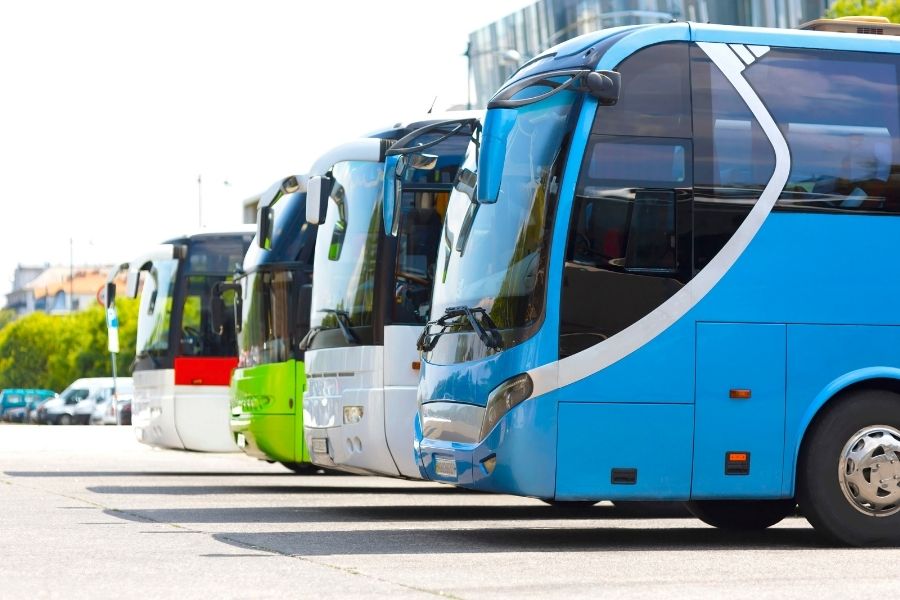
Buses form the most extensive part of Israel’s public transportation network. The main operators are Egged and Dan, though several regional companies exist. For students choosing to study in Israel, understanding the bus system is essential as it will likely be your primary mode of transportation.
In cities like Tel Aviv and Jerusalem, buses run frequently during weekdays (usually every 10-20 minutes on popular routes). In smaller towns and between cities, service may be less frequent but still reliable. Bus stops are marked by yellow signs with route information, though this is predominantly in Hebrew.
How to Use the Bus System as a Tourist or Student
When boarding, you’ll either tap your Rav-Kav on the electronic reader or show your pre-purchased ticket to the driver. To request a stop, press the red buttons located on poles throughout the bus. It’s worth noting that many drivers speak basic English, but having your destination written down in Hebrew can be helpful.
Inter-city buses often have comfortable seating, air conditioning, and sometimes WiFi, making them suitable for longer journeys. For Biblical Studies students wanting to visit historical sites, these longer-distance buses are particularly useful.
During rush hours (7:00-9:00 AM and 4:00-6:00 PM), buses in metropolitan areas can get extremely crowded. If possible, try to avoid these times or be prepared for standing-room-only conditions.
Trains in Israel: Fast Connections Between Major Cities
Israel Railways provides train service between major cities, with the primary line running along the Mediterranean coast from Nahariya in the north to Be’er Sheva in the south, with branches to Jerusalem and other destinations. Trains are typically faster, more comfortable, and more reliable than buses for intercity travel.
For PhD in Medical Sciences students and others needing to travel between academic institutions, the train offers a productive environment with tables, power outlets, and generally reliable WiFi.
Main Train Routes and Stations
The newest and most impressive route is the high-speed line between Tel Aviv and Jerusalem, which takes about 30 minutes – a vast improvement over the bus journey that can take over an hour in traffic. This is particularly valuable for MA in English Literature students who might want to participate in literary events or visit historical sites in both cities.
Ben Gurion Airport has its own train station, making it convenient for students and other international arrivals. From the airport, you can easily reach Tel Aviv, Jerusalem, Haifa, and other major cities.
Light Rail and Trams: Urban Transit Options
Jerusalem currently has one light rail line running from north to south through the city center, with more lines under construction. It’s clean, efficient, and an excellent way to see the city while traveling between major sites. For students at Hebrew University or other Jerusalem institutions, this is often the preferred mode of transport.
Tel Aviv is developing its own light rail system, with the first line expected to begin service soon. This will revolutionize travel in Israel’s most congested city, benefiting students and others studying in the metropolitan area.
Sherut Service: Shared Taxis Explained
One of Israel’s unique transportation options is the “sherut” – shared taxis that operate along fixed routes like buses but with the flexibility to stop anywhere along their route upon request. They’re typically 10-12 seat minivans that are faster than buses and often run when regular public transport doesn’t (including Shabbat in some areas).
Sheruts are particularly useful for linguistics students and others interested in experiencing local culture, as they provide an authentic glimpse into everyday Israeli life. They’re also excellent for practicing your Hebrew in a natural setting.
In Tel Aviv and Jerusalem, sheruts often follow the same routes as popular bus lines. Between cities, they usually depart from central bus stations when they’re full rather than on a fixed schedule. You can pay the driver directly in cash or sometimes with your Rav-Kav.
Travel Apps and Planning Tools for Israel
Navigating Israel becomes significantly easier with the right apps. Here are the essential tools forinternational visitors:
Moovit – The most popular transportation app in Israel, providing real-time updates on buses, trains, and light rail. It offers route planning in English and shows you exactly where to walk and which bus/train to take.
Google Maps – While not as detailed for public transport as Moovit, it’s still useful for general navigation and walking directions.
Israel Railways App – Provides train schedules, the ability to purchase tickets, and real-time updates on train arrivals/departures.
HopOn – Allows you to reload your Rav-Kav card through your smartphone and manage your transportation expenses.
Gett – For ordering taxis when public transportation isn’t available or convenient, particularly valuable for attending evening cultural events.
Budget Tips for Using Public Transport in Israel
For Mechina program participants and other students on a budget, here are some money-saving tips:
Always get the student discount on monthly passes if you’re eligible – this requires a personal Rav-Kav and sometimes a student ID. Check with your university’s international student office about the process.
Consider purchasing a monthly or weekly pass rather than paying per ride if you’ll be using public transportation regularly. For PhD students staying for extended periods, this can result in significant savings.
For occasional travelers, the stored value option (loading money onto your Rav-Kav) offers flexibility without commitment. This works well for short-term program participants who may not be in Israel long enough to benefit from monthly passes.
Conclusion: Navigating Israel with Confidence
Israel’s public transportation system may seem complex at first, but once you understand the basics and have the right tools, it becomes an efficient and affordable way to explore this fascinating country during your academic journey. Whether you’re rushing to class, heading to a weekend at the beach, or exploring historic sites, public transport will likely become an integral part of your study abroad experience.
Remember to get your Rav-Kav card early, download the necessary apps, and don’t hesitate to ask locals for help – most Israelis speak English and are happy to assist lost students. With a little practice, you’ll be navigating Israel like a local in no time.
For more information about student life and opportunities in Israel, visit Bar-Ilan University International School where you can explore various academic programs taught in English in the heart of Israel.