For international students exploring life in Israel, understanding Shabbat, the Jewish day of rest, is essential to navigating your weekend experience. Shabbat transforms the rhythm of Israeli society from Friday afternoon through Saturday evening, affecting everything from public transportation to shopping and social activities. This guide provides practical tips for planning your weekend schedule around Shabbat, helping you embrace this unique cultural experience while making the most of your time in Israel.
Understanding the Essence of Shabbat in Modern Life
In Israel, Shabbat is more than just a religious observance it’s a cultural cornerstone that shapes the national weekend schedule. Beginning at sunset on Friday and ending after nightfall on Saturday, Shabbat creates a distinct atmosphere across the country. Even in secular cities like Tel Aviv, you’ll notice a shift as shops close early on Friday afternoon and public transportation services pause.
For many Israelis, regardless of religious observance level, Shabbat represents a valuable opportunity to disconnect from the workweek, enjoy family time, and reset before a new week begins. As an international student at Bar-Ilan International School, understanding this rhythm will help you plan your weekend activities more effectively and experience an authentic aspect of Israeli culture.
While some students might initially find the Shabbat schedule adjustment challenging, many ultimately come to appreciate this built-in pause from the academic expiriance of studying abroad in Israel.
Planning Ahead: The 48-Hour Shabbat Preparation Guide
The key to a successful weekend in Israel is preparation. With most stores and services closing early on Friday and remaining closed on Saturday, planning ahead is essential for international students.
Thursday Shopping List and Preparations
Start your Shabbat preparation on Thursday to avoid the Friday rush. Most Israelis do their pre-Shabbat shopping on Thursday evening or Friday morning, creating crowded shopping conditions.
Your essential shopping list should include:
- Food supplies for Friday dinner through Saturday evening
- Any medications you might need
- Entertainment options (books, downloaded movies, board games)
- Portable phone charger or power bank (if you’re traveling)
Consider visiting a local market like Mahane Yehuda in Jerusalem or Carmel Market in Tel Aviv on Thursday to experience the pre-Shabbat energy while gathering fresh ingredients. Students participating in gap year programs in Israel often find these market experiences particularly memorable.
Friday’s Essential Timeline
Understanding Friday’s rhythm in Israel helps you navigate this transition day effectively:
| Time | Activity Notes |
|---|---|
| Morning | Complete any necessary shopping; stores are less crowded earlier |
| 12:00-14:00 | Many businesses begin closing; university offices close early |
| 15:00-16:00 | Public transportation begins to reduce service (earlier in winter) |
| Sunset (varies by season) | Shabbat officially begins; all Jewish-owned stores closed |
Plan your Friday activities accordingly, particularly if you need to use public transportation. In Jerusalem, services stop earlier than in Tel Aviv. Students in preparatory programs (Mechina) often organize group activities on Friday afternoons to ease this transition.
Shabbat Day Schedule: Balancing Rest and Activity
Saturday in Israel presents a unique rhythm unlike any other day of the week. With most businesses closed and public transportation unavailable in many areas, it’s important to plan how you’ll spend this day.
Morning Activities and Prayer Options
For those interested in religious services, synagogues welcome visitors (modest dress is appropriate). Many students find attending services enhances their academic understanding of Jewish traditions.
For secular activities, Saturday mornings are perfect for:
Parks and nature areas are typically busy with Israelis enjoying picnics and leisure time. The national parks system remains open on Shabbat, making it an excellent day for hiking. Jerusalem’s Old City maintains a special atmosphere on Shabbat that’s worth experiencing, even as a non-religious visitor.
Afternoon Relaxation and Family Time
Shabbat afternoon in Israel traditionally involves rest, family visits, and leisurely activities. This can be an adjustment for international students used to busy weekends, but embracing this slower pace can be refreshing.
Popular Shabbat afternoon activities include:
- Reading and relaxing in parks
- Walking tours (Jerusalem and Tel Aviv have self-guided walking routes)
- Visiting museums that remain open on Shabbat
- Beach time (in Tel Aviv and coastal cities)
Students often find Shabbat afternoons perfect for catching up on reading in peaceful settings like the Israel Museum gardens or Tel Aviv’s beaches.
Adapting Shabbat for Different Lifestyles
The beauty of experiencing Shabbat as an international student lies in finding your personal balance—incorporating elements that resonate with you while respecting the cultural context.
Shabbat for Busy Professionals and Students
For busy doctoral students (Ph.D.) and others with demanding schedules, Shabbat can provide a structured break from academic pressures. Consider designating certain hours for rest while using others for quiet study. Many academic buildings remain closed, so plan accordingly if you need study materials.
Setting boundaries around work-related communications helps maintain the restorative nature of this time. Even setting aside a few hours free from emails and assignments can provide valuable mental refreshment before the new week begins.
Shabbat in an Intercultural Context
International students from diverse backgrounds find different aspects of Shabbat meaningful. Christian students often connect with the Sabbath concept from their own tradition, while students from non-religious backgrounds might appreciate the social and cultural dimensions.
The key is approaching Shabbat with cultural sensitivity and openness to learning. Many students find Shabbat offers interesting sociolinguistic observations as language usage shifts during this time.
Remember that different neighborhoods observe Shabbat with varying levels of strictness. Areas with large religious populations will have fewer open establishments and stronger expectations about public behavior (modest dress, quieter activities).
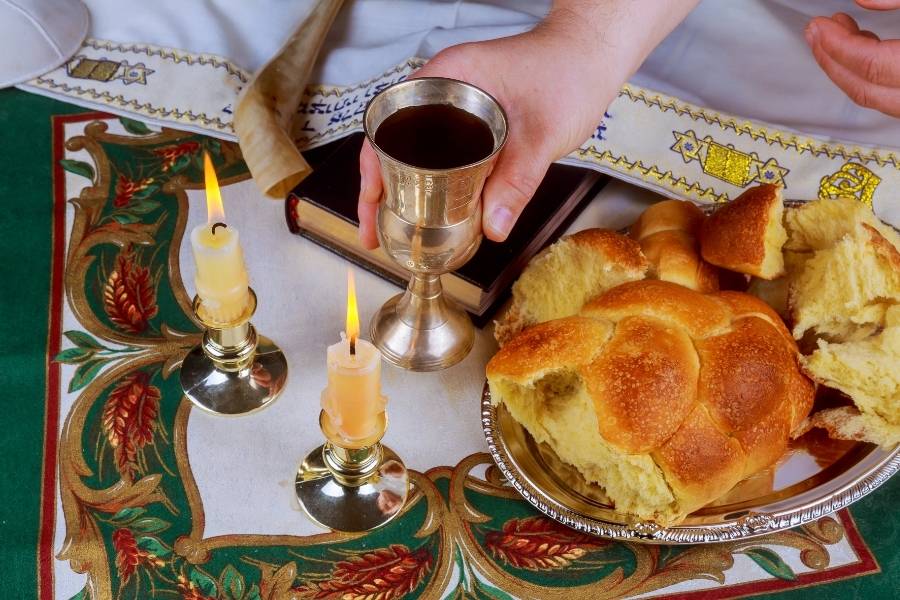
Downloadable Resources and Shabbat Schedules
To help you navigate your Shabbat experience in Israel, several useful resources are available:
Candle lighting times vary throughout the year and can be checked weekly through local websites or apps dedicated to Shabbat times. Transportation schedules for the last Friday buses and trains, along with Saturday night resumption times, are available through the Israel Railways and bus company websites.
Many Jewish Studies program students create shared resources for their peers, including maps of walking-accessible locations and lists of establishments that remain open on Shabbat.
Summary
Embracing the Shabbat experience offers international students a unique window into Israeli culture and an opportunity to experience a different rhythm of life. By planning ahead, remaining flexible, and approaching this time with cultural curiosity, you can transform potential logistical challenges into a meaningful part of your study abroad experience.
Whether you choose to observe Shabbat traditions, use the time for quiet reflection and study, or explore the parts of Israeli society that remain active, this weekly cycle will become an integral part of your experience as an international student in Israel.
For more information about student life and cultural experiences while studying in Israel, visit the Bar-Ilan University International School website.